About the museum
History, mission and the people who make MusA Boca possible
Mission and vision
The mission of MusA Boca is to recognize, research, and disseminate the archaeological, urban, port, and maritime culture of La Boca del Riachuelo in both its tangible and intangible dimensions. Its activities are linked to the study, preservation, and enhancement of heritage collections, as well as the development of new projects.
It is also proposed to gather and investigate sources of knowledge that allow for research and expansion of the understanding of the sea, the port and the rivers as cultural territories, approached from the perspective of archaeology.
Origin
The La Boca Archaeological Museum (MusA Boca) has its origins in a series of urban, port, and maritime archaeological discoveries and investigations that arose from the work of the La Boca and Barracas Archaeological Rescue Commission during public works projects, such as flood control, the remediation of tenement houses, and the construction of the Buenos Aires–La Plata highway bridge (1995). These projects resulted in studies, documentation, and analyses that form the museum's research collection.
The recovery of artifacts from sunken, refloated, and dismantled ships in the Riachuelo River, the study of the materiality of Tango, and the discovery and study of the remains of the Spanish dispatch vessel found in 2008 in Puerto Madero are examples of archaeological investigations housed in the museum. Also, part of its history are projects searching for the First Buenos Aires, the study of human dynamics in the Matanza-Riachuelo basin, and the School of Urban Archaeology at the Popular University of La Boca.
MusA Boca was, first, a virtual museum on Facebook, since 2012. Since 2018 it has had a headquarters in the Conventillo Museum “Marjan Grum” (José Garibaldi 1429, CABA), an institution with which it develops countless joint activities.
Founding statutes and memoirs
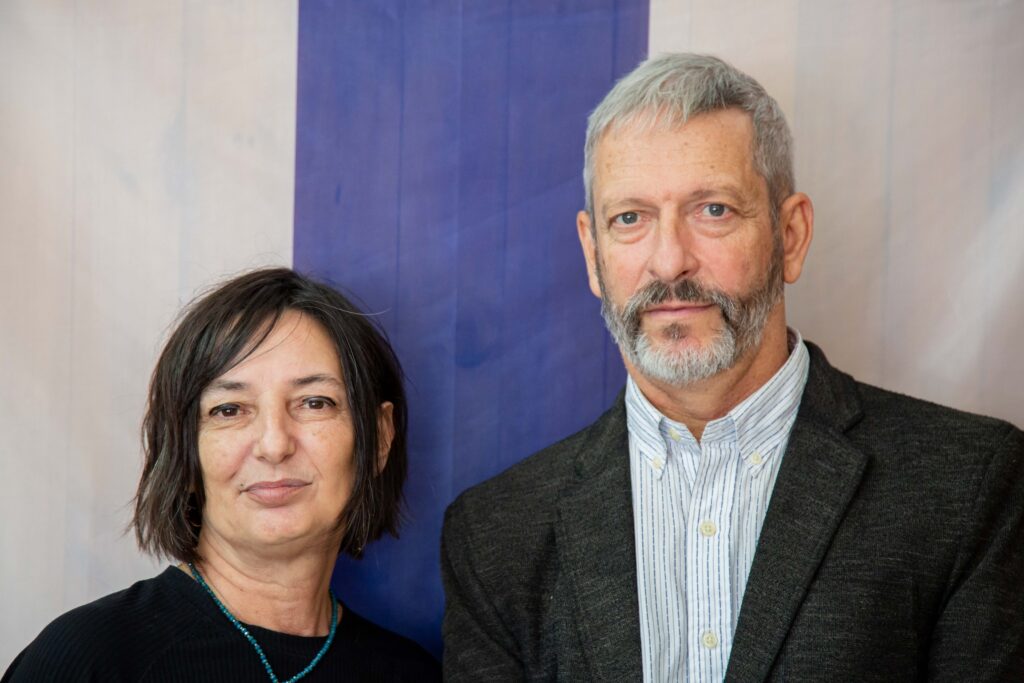
The La Boca Archaeological Museum Foundation (MusA Boca) —recognized by the General Inspectorate of Justice of the Argentine Republic on December 12, 2024— was created by the archaeologist Marcelo Weissel to survey and investigate the cultural heritage of the La Boca neighborhood (Buenos Aires), understood as a cosmopolitan port.
Board of Directors