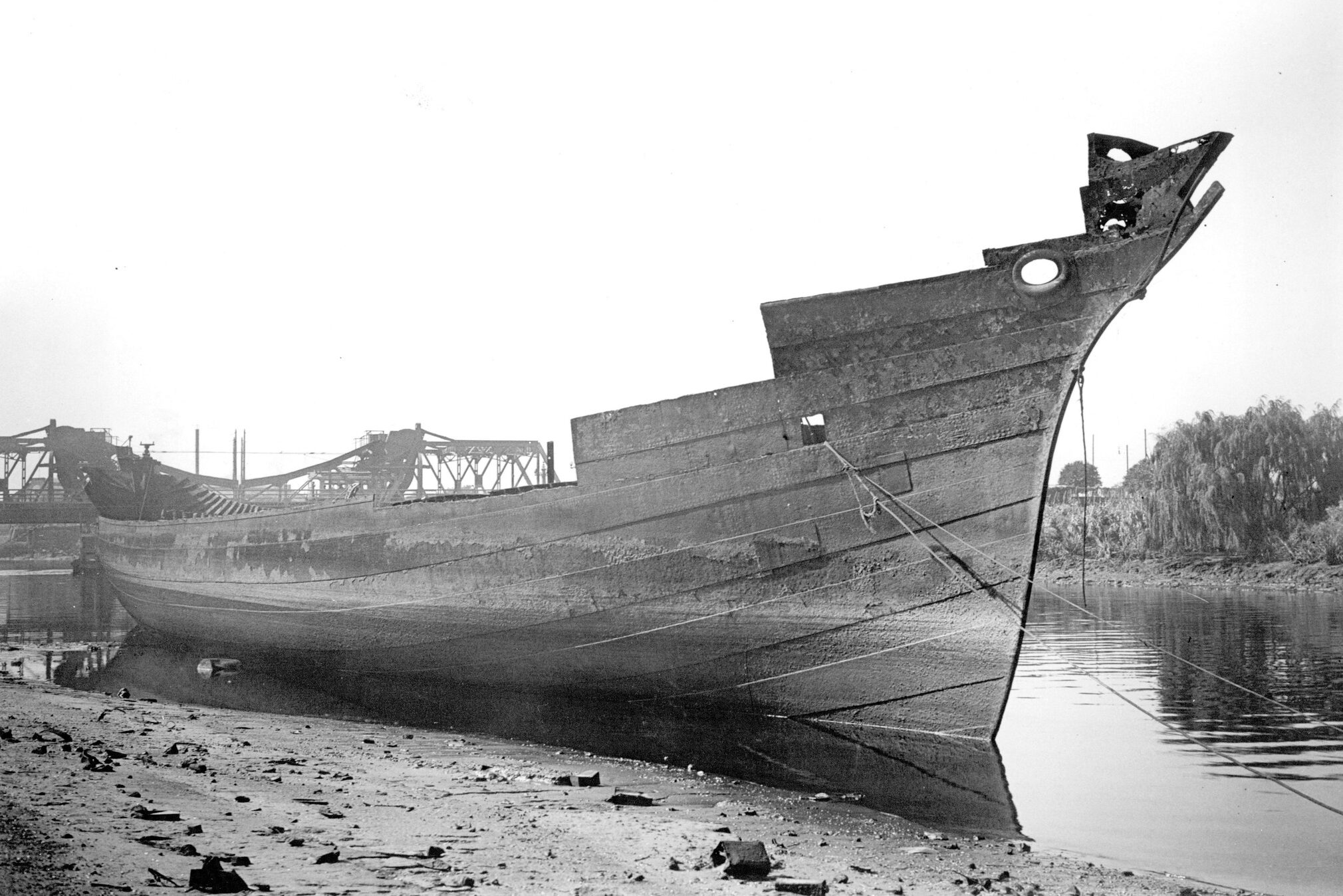
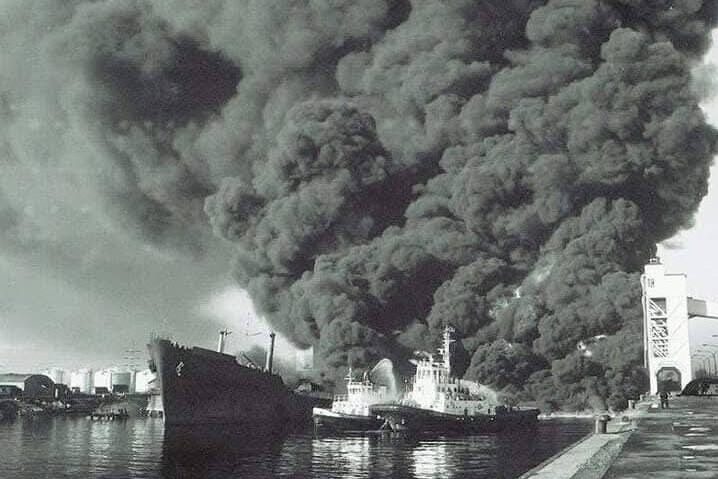
This project aims to collect and analyze, from an archaeological perspective, a set of data on historical events such as floods, fires, and shipwrecks in the port of La Boca. Through various lines of research, the project seeks to reflect on the importance of data related to disasters, shipwrecks, fires in the port, on board vessels, or on land, and floods in the La Boca neighborhood. This project, the first of its kind, has compiled a database on the subject and is carried out in collaboration with the La Boca Volunteer Fire Department and the Vuelta de Rocha Volunteer Fire Department.
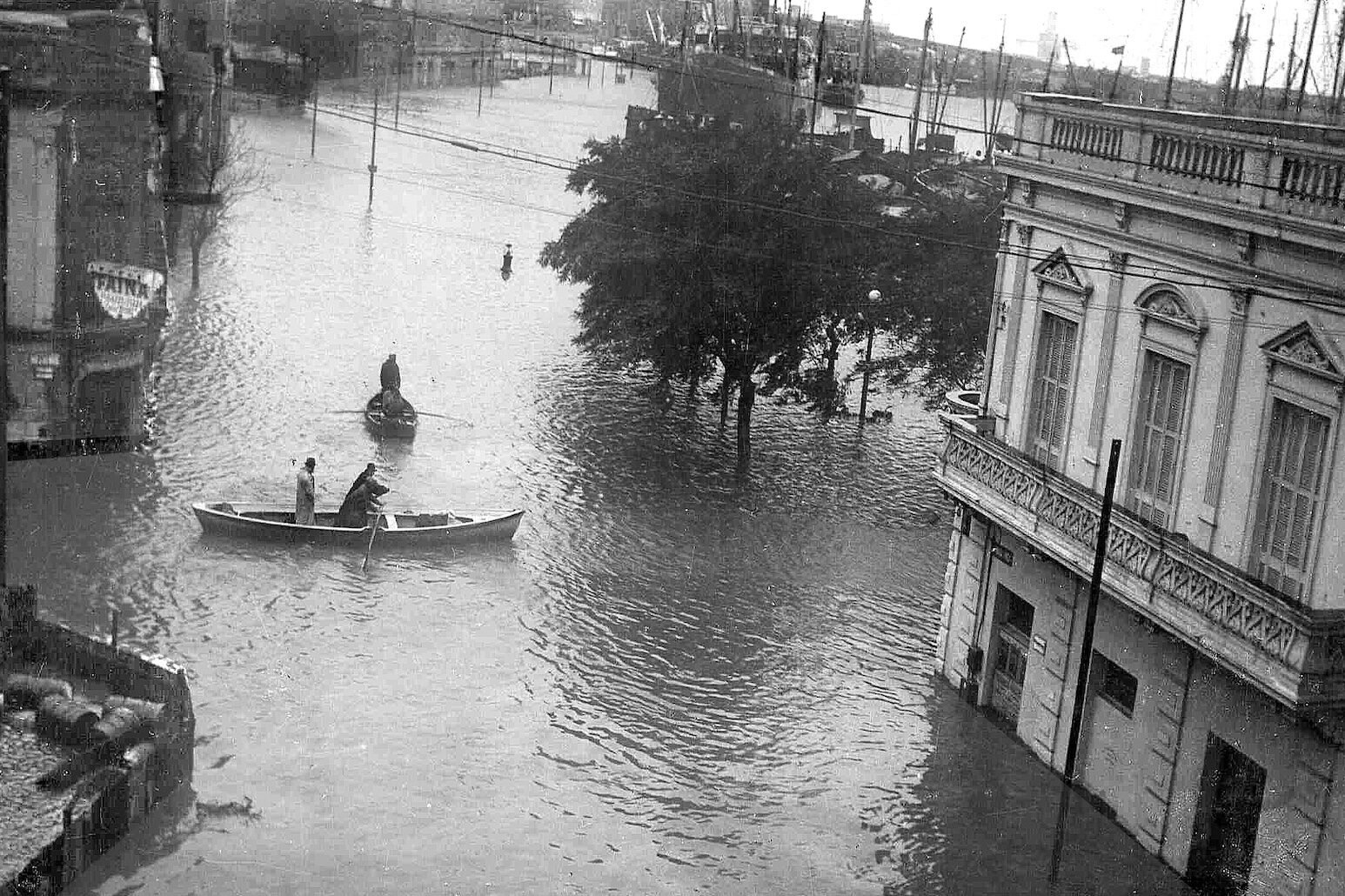
In 2025, the first phase, entitled “Learning from Past Lessons: Shipwrecks, Fires, and Floods in the Port of La Boca, Buenos Aires,” was carried out. This phase involved recording and cataloging 4,800 events: 199 shipwrecks, 4,177 fires and fire outbreaks, and 482 floods (water level: 2.60 meters above the Riachuelo River's zero level). The resulting work includes documentary and published resources, photographs, and oral histories of lived experiences. The project was conducted at the La Boca Historical Museum Foundation, with support from the Lloyd's Register Foundation, and was directed by Dr. Marcelo Weissel. Local and national Argentine institutions collaborated on the project. Credits include local firefighters of La Boca and Vuelta de Rocha, the Casa Museo Carpintero de Ribera, the Museo Conventillo “Marjan Grum”, the Museo Arqueológico de La Boca and the Underwater Archaeology Program of the National Institute of Anthropology.
About the Port of La Boca
The city of Buenos Aires did not emerge on its own; it was born together with its port at the mouth of the Riachuelo River. Over the course of 490 years, this port, located in the southern part of the city, became known as the Riachuelo Port. It was the Spanish who gave the name Riachuelo to the mouth of an old stream flowing into the Río de la Plata. Hence its name: La Boca del Riachuelo (The Mouth of the Riachuelo).
La Boca has a long history of floods, strong winds, shipwrecks, and fires. In this regard, the research line on catastrophic events and disasters is developed in conjunction with longstanding traditions of the Spanish and Italian communities, such as the nautical processions of Our Lady of Mount Carmel (Virgen del Carmen) and Mary Most Holy, Queen of the Martyrs (María Santísima Reina de los Mártires) of Buenos Aires’ Molfettese community. These activities aim to promote collective memory and encourage learning from the past.