Research program on Martín García Island
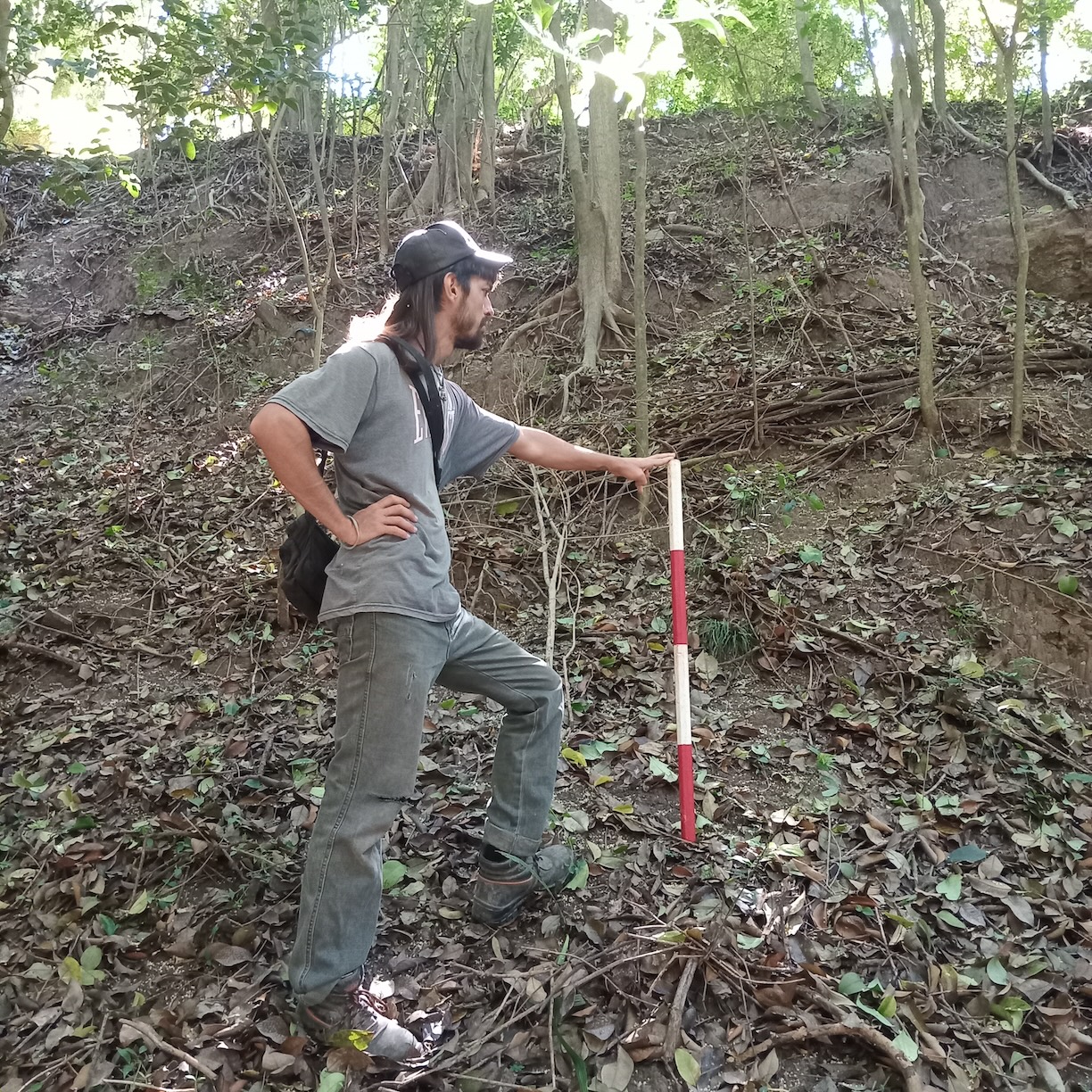
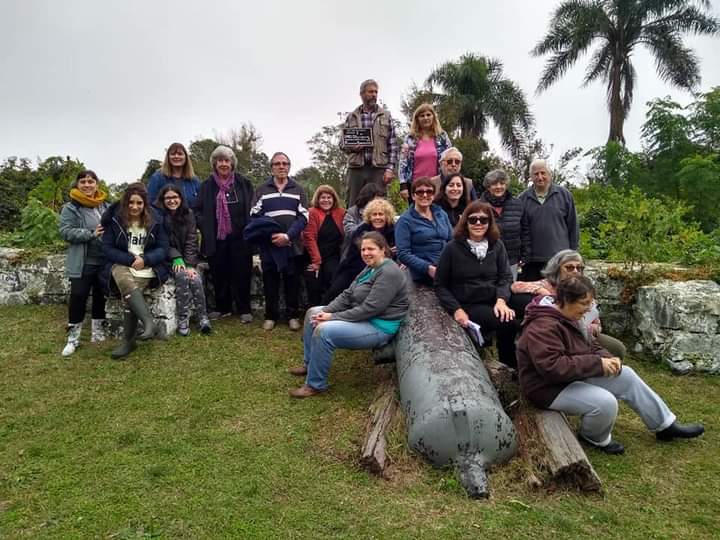
Initiated in 2015, this project aims to investigate, excavate, and map archaeological landscapes, constructions, and objects of historical significance used on Martín García Island over the past 500 years. One of the key sites in this project is Puerto Viejo, in the north of the island, named after Martín García, the steward of Juan Díaz de Solís's 1516 expedition. Solís was appointed chief pilot of the Spanish Crown at the Casa de Contratación in Seville in 1512, following the death of Amerigo Vespucci, and was responsible for cartography and the training of pilots for the Indies.
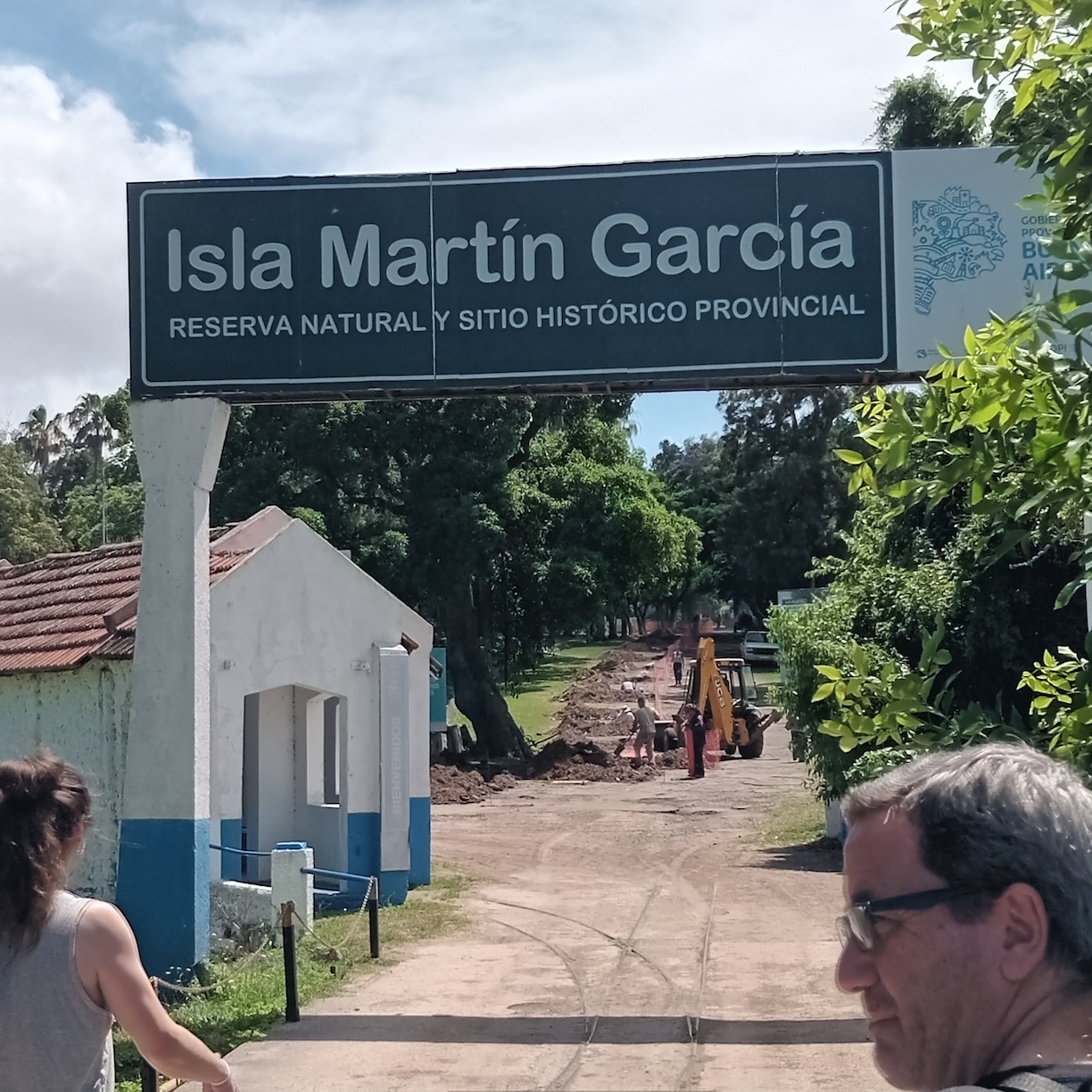
Through various lines of research, the archaeological project aims to identify the natural, cultural, and historical landscapes of Martín García Island, a key site in the history of international navigation. Today, the island is a nature reserve in the province of Buenos Aires and the headquarters of the Binational Administrative Commission of the Río de la Plata.
The dynamics of this program also involve designing calls for proposals for young professionals based on specific thematic areas of current research. The objective of these calls is to broaden the program's reach and connect with the largest possible number and diversity of professionals throughout the country. In a second phase, the cataloging and editing of these experiences will produce publications and other materials to provide further insight into the history of Martín García Island.
El proyecto cuenta, desde sus inicios hasta la actualidad, con el apoyo de la Fundación de Historia Natural “Félix de Azara”, la empresa Arqueoterra Limitada y las autorizaciones de los ministerios de Ambiente y Cultura de la provincia de Buenos Aires. https://fundacionazara.org.ar/
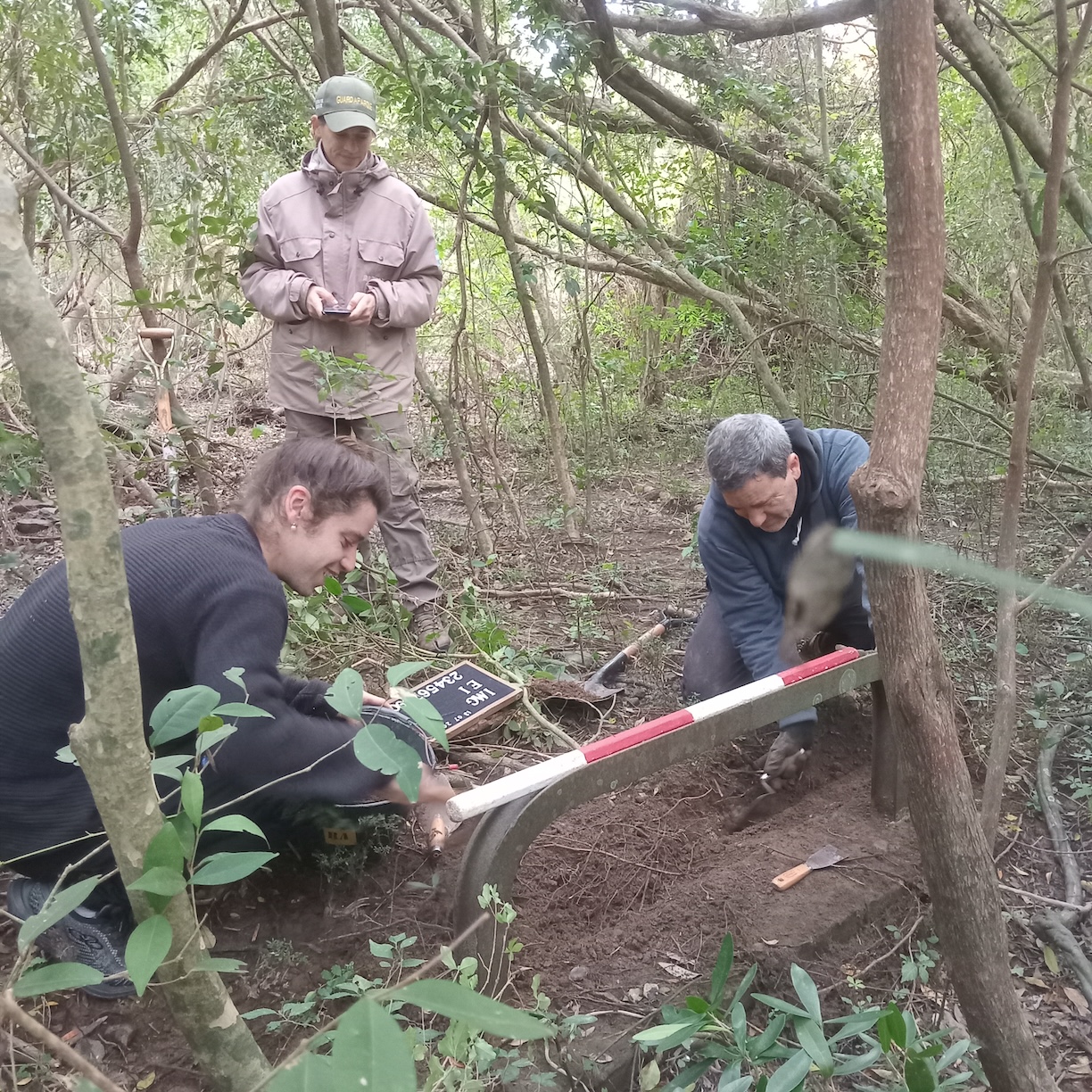
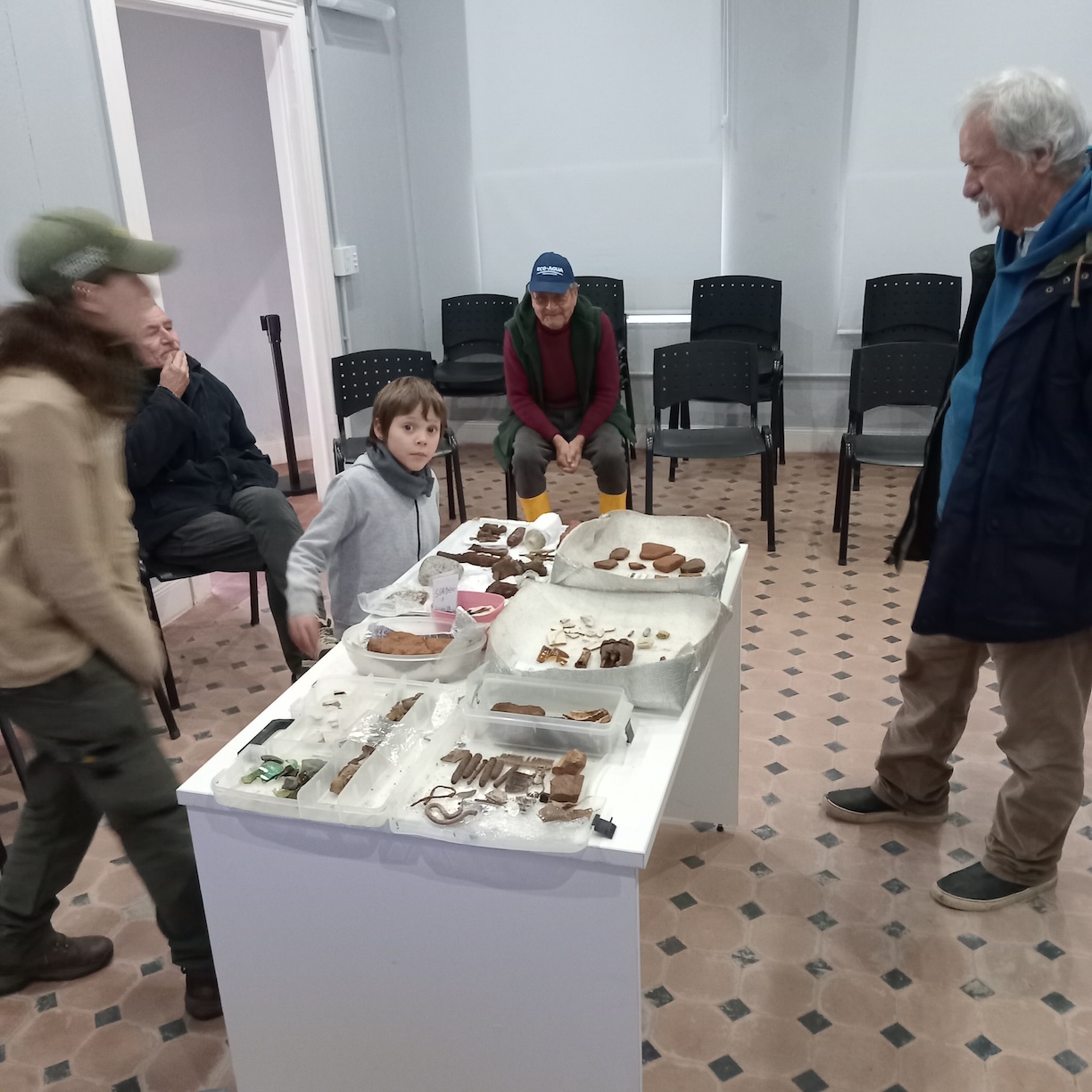
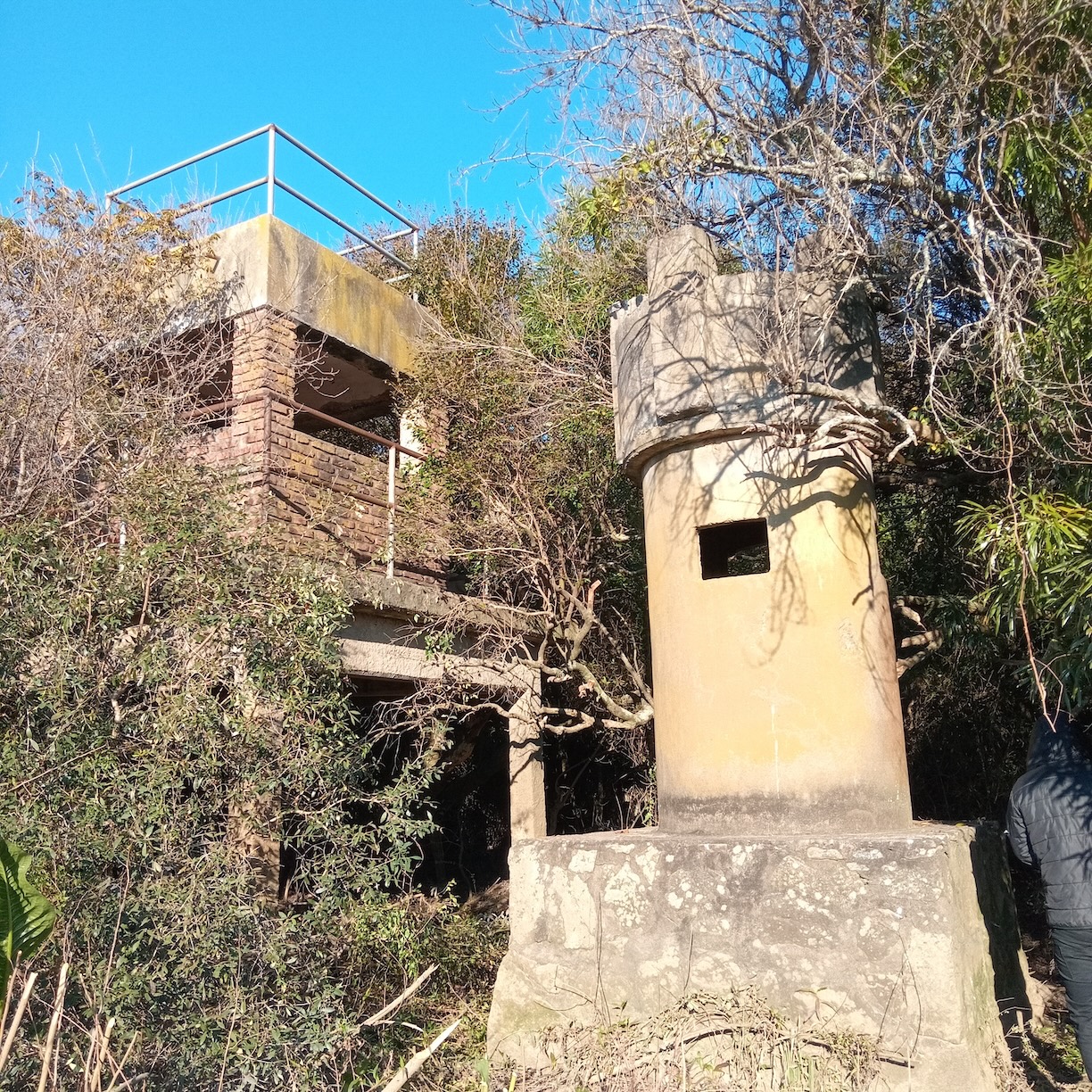
Cronología de la isla Martín García - Base bibliográfica y FB amigosislamartingarcia
| 1516 | Juan Díaz de Solís arrives at the Río de la Plata. First European contacts with the region. |
| 1520 | Ferdinand Magellan and Juan Sebastián Elcano pass through the estuary of the Río de la Plata on their circumnavigation of the globe. |
| 1527 | Sebastian Cabot explores the river and names some geographical features of the region. |
| 1535 | Pedro de Mendoza founded Buenos Aires. The island gained strategic value as a supply point. |
| 1580 | Juan de Garay refounds Buenos Aires. Martín García Island falls within colonial jurisdiction. |
| 1616 | First documentary mentions of Martín García Island as a watering point and stopover in river navigation. |
| 1726 | Founding of Montevideo. The island gains greater importance as an intermediate point between the two ports. |
| 1749 | Establishment of a permanent guard post on the island. |
| 1776 | Creation of the Viceroyalty of the Río de la Plata. The island is integrated into the new colonial administration. |
| 1806–1807 | British invasions. The island serves as a base of operations and back point. |
| 1814 | Battle of Martín García: Buenos Aires forces, under the command of Guillermo Brown, defeat the Spanish squadron. The island comes under patriot control. |
| 1820 | Battle of Martín García between forces from Buenos Aires and the Banda Oriental. |
| 1838 | French blockade of the Río de la Plata. The island is occupied by French forces as a base of operations. |
| 1845 | Anglo-French blockade. The island is once again the scene of disputes over control of river navigation. |
| 1853 | Approval of the Argentine Constitution. The island remains under the jurisdiction of the Nation as a strategic enclave. |
| 1860 | Establishment of the island's lazaretto as a quarantine point for immigrants arriving in Buenos Aires. |
| 1865–1870 | War of the Triple Alliance. The island serves as a field hospital and military depot. |
| 1871 | Yellow fever epidemic in Buenos Aires. The Martín García quarantine station receives thousands of patients and serves as a sanitary cordon. |
| 1880 | Federalization of Buenos Aires. The island is placed under the direct administration of the National State. |
| 1884 | A military prison is established on the island. Its history as a place of detention begins. |
| 1893 | Leandro N. Alem is arrested on the island after the radical revolution. |
| 1905 | Hipólito Yrigoyen, after the radical uprising, is confined to the island. |
| 1916 | The treaty on the island between Argentina and Uruguay leaves sovereignty undefined; Argentina maintains de facto administration. |
| 1930 | Following Uriburu's military coup, the deposed president Hipólito Yrigoyen was exiled to Martín García Island. |
| 1933 | Some months after Hipólito Yrigoyen transfer from the island to the mainland, dies aged 81 years. |
| 1943 | Military coup. Juan Domingo Perón, among other political leaders, is arrested on the island. |
| 1945 | Perón was transferred to the island after the events of October 9th. His arrest triggered the events of October 17th. |
| 1955 | Following the Liberating Revolution, several Peronist leaders were confined to the island. |
| 1960 | The Argentine-Uruguayan Joint Commission discusses the sovereignty of the island without reaching a definitive agreement. |
| 1973 | Treaty of the Río de la Plata between Argentina and Uruguay. The island remains under Argentine sovereignty but with restrictions on its use. |
| 1974 | The island begins its transformation into a nature reserve and recreational tourist park. |
| 1986 | The island is declared a Natural Reserve and National Historic Site by the Argentine State. |
| 1990 | Organized tourism to the island is now permitted. Guided tours of historical sites begin. |
| 2000 | Studies on the island's archaeological heritage by researchers from national universities. |
| 2005 | Survey of the island's historical building heritage by provincial agencies. |
| 2010 | Systematic surveys of historical archaeology in different sectors of the island. |
| 2015 | Start of the MusA Boca archaeological research program on Martín García Island. First field campaign. |
| 2017 | Second campaign. Excavation of sectors of the old lazaretto and the port area. Recovery of 19th-century materials. |
| 2019 | Third campaign. Documentation of military structures and analysis of naval artifacts. |
| 2021 | Resumption of field activities post-pandemic. Incorporation of digital recording and photogrammetry technologies. |
| 2023 | Publication of partial results of the program. Presentation at a national congress of historical archaeology. |
| 2024–2025 | Continuation of the program. New excavations in the historic prison and analysis of collections in the laboratory. |